
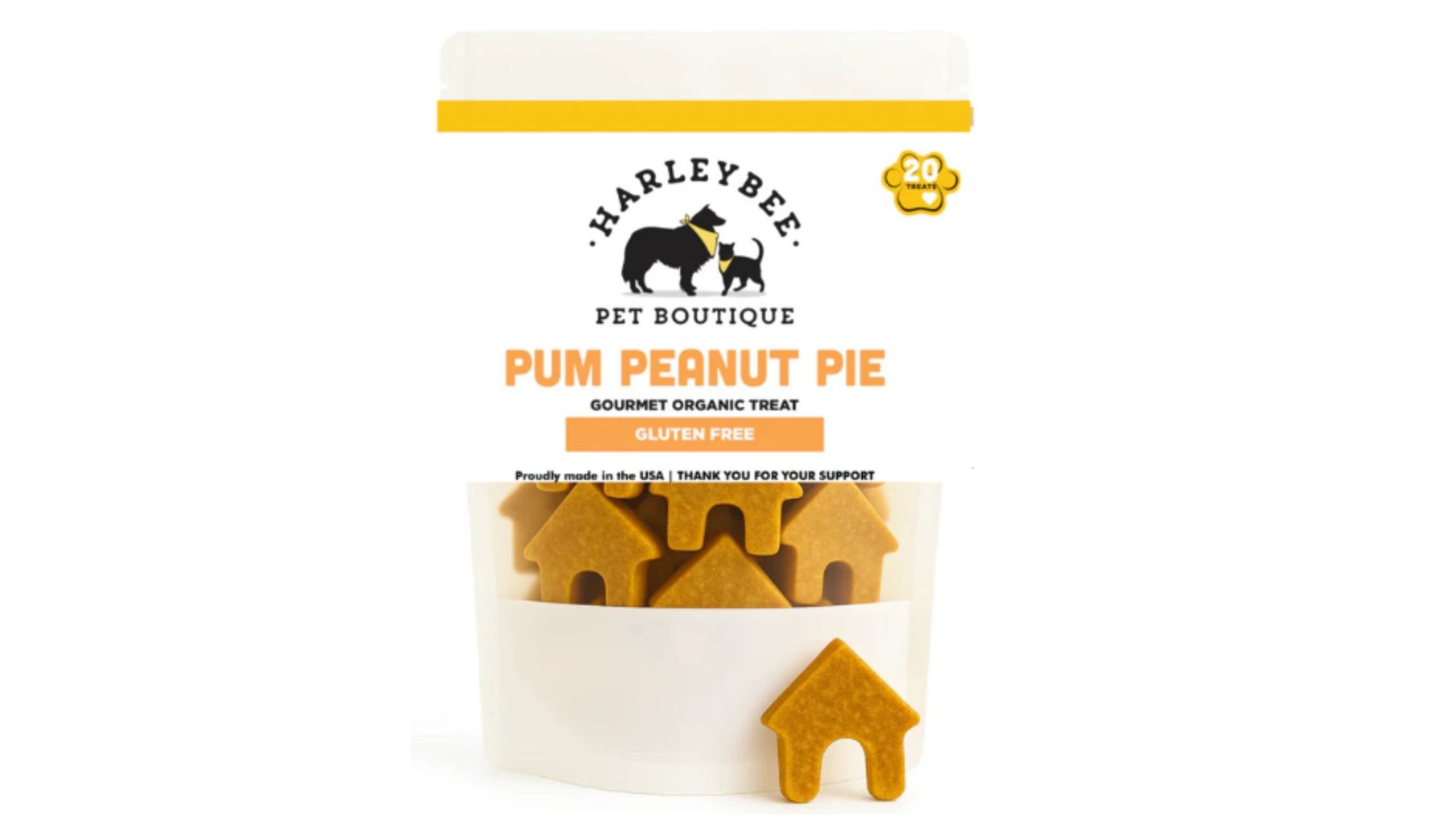
Dog owners today care a lot about what their furry friends eat. People read labels, compare ingredients, and even cook meals at home for their pets. Just like humans, dogs now have many diet options. One topic that often comes up is gluten free dog snacks.
Some people believe these snacks are healthier for every dog. Others think they are only helpful for dogs with certain food issues. That leaves many owners scratching their heads. Should every dog eat gluten-free treats? Or is it only needed for a few pups?
The truth is not as complicated as it seems. When you understand what gluten is and how dogs digest food, things start to make sense.
Let’s break it down step by step.
Do Dogs Really Need Gluten-Free Diets?
Here is the straight answer. Most dogs do not need gluten-free diets. Dogs are omnivores. That means they can eat both meat and plant foods. Their stomachs are usually strong enough to digest grains like wheat or oats. But every dog is different. Some dogs may develop food sensitivities. Their bodies may not react well to certain ingredients. When this happens, dogs might show signs that something is wrong. These signs can include stomach troubles, itching, or constant scratching. In those situations, switching to gluten free dog snacks might help. These snacks often use ingredients like sweet potatoes, peas, or chickpea flour instead of wheat. Still, it is important to remember that gluten is not always the problem. Sometimes another ingredient is the real troublemaker.
Signs Your Dog Might Have a Food Sensitivity
Dogs cannot tell us when something feels wrong. But their bodies give clues.
Here are a few signs that may point to a food sensitivity:
- Constant itching
- Red or irritated skin
- Frequent ear infections
- Upset stomach
- Loose stools
- Low energy
If these problems show up again and again, it might be time to look at your dog’s diet. But do not jump to conclusions right away. A vet can help figure out the exact cause. Sometimes the issue has nothing to do with gluten at all.
When Gluten-Free Snacks Can Be Helpful?
While most dogs do fine with grains, there are times when gluten-free treats make sense.
Dogs With Sensitive Stomachs
Some dogs have stomachs that react easily to certain foods. Wheat-based treats might upset their digestion.
Switching to snacks made from simple ingredients can sometimes calm things down.
Dogs With Skin Problems
Food reactions can sometimes show up on the skin. Dogs may scratch nonstop or develop red patches.
If wheat is the cause, removing it from treats could help reduce irritation.
Dogs on Limited Ingredient Diets
Some dogs follow special diets with very few ingredients. These diets help owners track exactly what their dog eats.
In these cases, gluten free dog snacks can fit well because they often contain fewer ingredients.
The Hidden Problem With Some Dog Treats
Sometimes gluten gets blamed for problems that come from other ingredients. Many cheap dog treats include fillers, artificial colors, and preservatives. These extra ingredients can upset a dog’s stomach. When owners switch to gluten-free treats, they often choose products with cleaner recipes. That simple change can make a big difference. So the improvement may come from better ingredients, not just the lack of gluten.
Smart Tips for Picking Better Dog Treats
Choosing good treats does not have to be hard. A few simple tips can help a lot. First, read the ingredient list. Short lists are usually better. Look for ingredients you recognize. Foods like pumpkin, sweet potato, oats, or brown rice can be good options. Next, check where protein appears on the list. Meat or fish should appear near the top. Finally, avoid treats packed with artificial flavors or mystery ingredients. If the label looks confusing, it may not be the best choice.
Remember the Golden Rule of Treats
Even healthy treats should only be given in small amounts. Dogs love snacks. They will happily eat them all day if they can. But too many treats can lead to weight gain. Extra weight can cause problems for joints, energy levels, and overall health. Many vets suggest the 10 percent rule. That means treats should make up no more than 10 percent of your dog’s daily food intake. The rest should come from balanced meals. So yes, treats are fun. But moderation keeps dogs healthy.
Are Gluten-Free Treats Just Another Trend?
Some pet food trends come and go. Gluten-free diets became popular partly because people started following gluten-free diets themselves. Naturally, many owners began choosing the same type of food for their pets. Still, gluten-free options do serve a purpose. Dogs with food sensitivities can benefit from them. Owners who want simple recipes also like them. But for most healthy dogs, traditional grain-based treats work perfectly well. So the real trick is not chasing every trend. Instead, focus on what makes your dog feel good. If your dog is happy, active, and excited at snack time, you are probably doing something right.
Conclusion
Feeding your dog should not feel like solving a puzzle. The goal is simple. Give your pet balanced meals, good ingredients, and treats in moderation. While some dogs may do better with certain diets, most dogs can handle grains without any trouble. The key is watching how your dog reacts to food and choosing treats made with simple, quality ingredients. For dogs with sensitivities or special diets, gluten free dog snacks can be a helpful choice. For many other dogs, they are simply one option among many tasty treats.